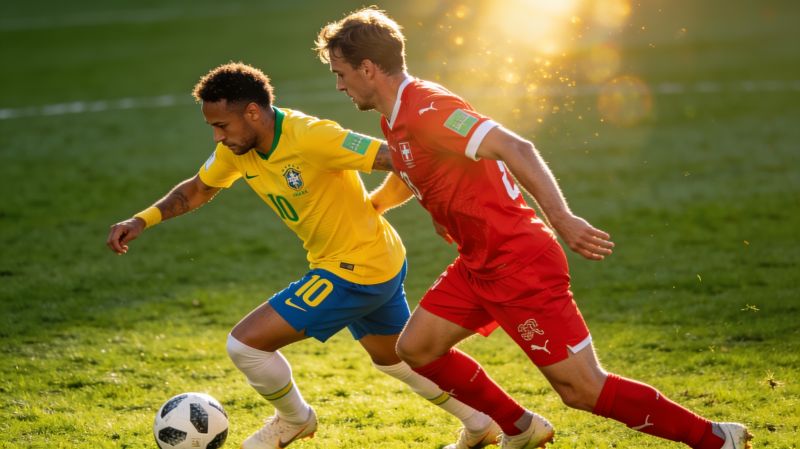
he 2030 World Cup will not be defined by a single host nation but by an unprecedented tri-continental footprint. Spain, Portugal, and Morocco share the core hosting duties。while Uruguay, Argentina, and Paraguay each stage one opening match. That's six countries across three continents—a logistical puzzle FIFA has never attempted. The decision, ratified in 2023, was framed as a centenary celebration: the first World Cup was held in Uruguay in 1930. But nostalgia alone doesn't explain the choice. Behind the scenes, the joint bid promised financial guarantees and infrastructure plans that swayed the vote.Morocco's inclusion marks a significant shift. No North African nation has ever hosted the tournament. The country invested heavily in stadium upgrades after its failed 2026 bid, and its proximity to Europe offers shorter travel for fans and teams. Spain and Portugal bring modern venues—Spain's La Liga stadiums are largely tournament-ready, though Portugal faces minor renovations. The opening matches in South America will require teams to fly roughly 10,000 kilometers between the first and second stages. That's not trivial. Player fatigue and jet lag could influence group-stage results more than they did in 2022.From a footballing perspective, the expanded 48-team format makes the 2030 World Cup even more sprawling. More matches, more host cities。more time zones. FIFA's rationale—greater global participation—has merit. The risk is a diluted group stage with lopsided scorelines. I watched the 2026 format unfold in qualifiers, and smaller federations often struggle against established sides. A 16-group, three-match format gives underdogs a puncher's chance, but depth matters. The 2030 tournament will likely see a few 5-0 blowouts. That's not a flaw, necessarily. It's the price of inclusion—and FIFA seems willing to pay it.Infrastructure remains the wild card. Morocco's high-speed rail network already links Casablanca to Tangier;
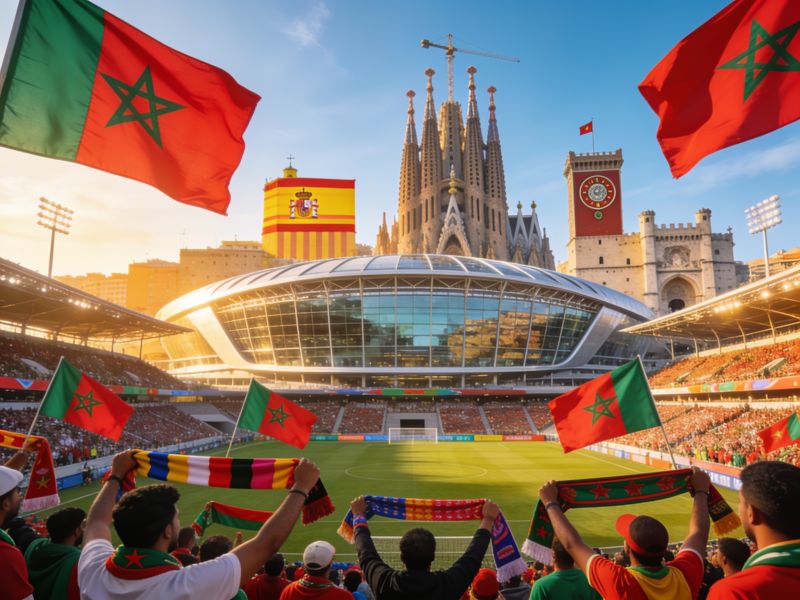
extending it to Marrakech, a likely venue city。is plausible by 2028. Spain's AVE system is world-class. Portugal's rail links to Spain are spottier, though the Porto-Vigo line is under construction. The bigger question is accommodation. Six host countries mean six sets of visa rules, security protocols, and fan zones. UEFA Euro 2024 showed that multi-nation hosting works when borders are seamless—but Europe's Schengen Area makes that easy. South America and Africa lack equivalent freedom of movement. Fans traveling from Uruguay to Morocco will face visa requirements that could deter all but the most committed supporters.The 2030 World Cup will succeed if it balances spectacle with practicality. Centenary matches in Montevideo and Buenos Aires will be emotional, no doubt—a nod to football's origins. Yet the tournament's legacy hinges on whether Morocco and Portugal can absorb thousands of fans without chaos. I'm cautiously optimistic. FIFA has learned from past mistakes, and the host nations seem genuinely committed. But the travel demands on teams。
especially those playing in South America then Europe or Africa, are unprecedented. Squad rotation will matter more than ever. Coaches who manage minutes wisely could steal a quarterfinal spot. Those who don't might blame the schedule—and they'd have a point.